Flat Tip Hair Extensions Pros And Cons

Considering flat tip hair extensions for your clients or yourself? You want the truth—what they are, what they do well, and where to be cautious. This guide gives clear, manufacturer-level advice you can act on today.


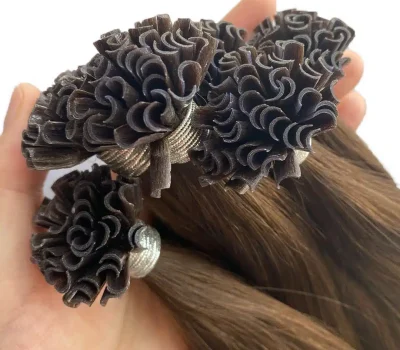
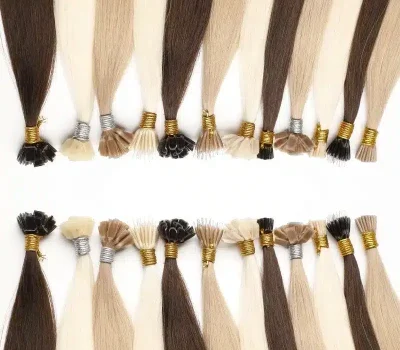
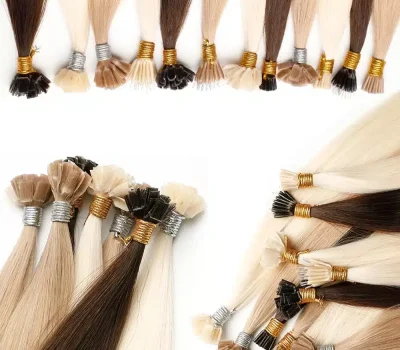
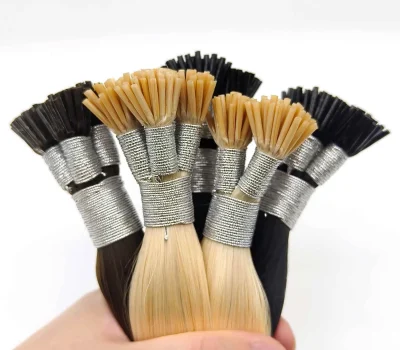
Flat tip hair extensions are a strand-by-strand fusion method with a flat keratin bond. They sit flatter than U tip extensions and can feel more discreet for fine to medium hair. The main benefits are natural movement, flexible placement, and a comfortable flat bond. The main drawbacks are professional installation, heat fusion, correct removal, and bond-safe aftercare.

For salons, flat tips are best for clients who want a discreet keratin method but do not want a rounder U tip bond.

flat tip hair extensions pros and cons

Flat Tip Hair Extensions Pros and Cons at a Glance

Flat tip hair extensions are popular because the bond sits flatter than a classic U tip bond. This can make the installation feel more discreet and flexible, especially for clients with fine to medium hair. But flat tips still need professional installation, correct heat control, careful removal, and bond-safe aftercare.

For salons, the key is not only the bond shape. You also need to check hair quality, keratin bond quality, strand weight, client hair density, and whether the client can follow maintenance instructions.

What are flat tip hair extensions?

Short version first:

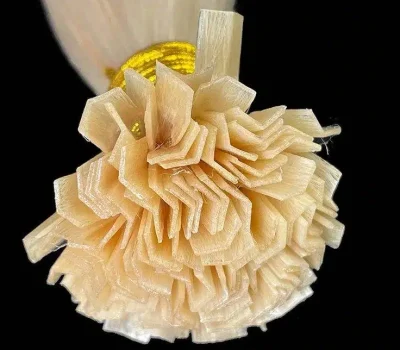
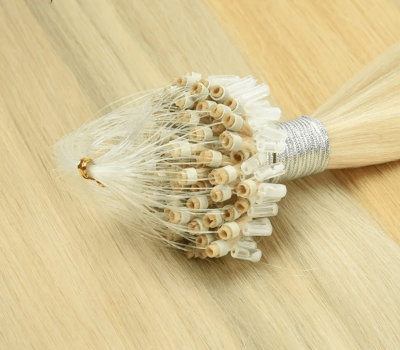
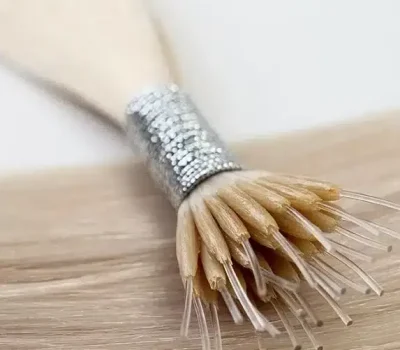
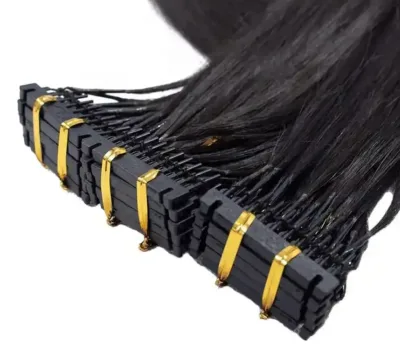
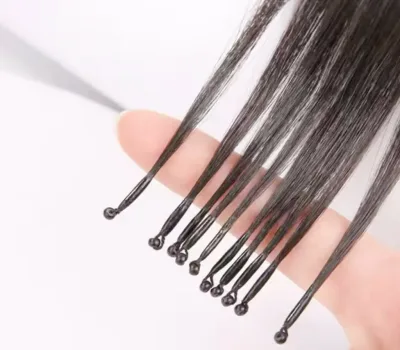
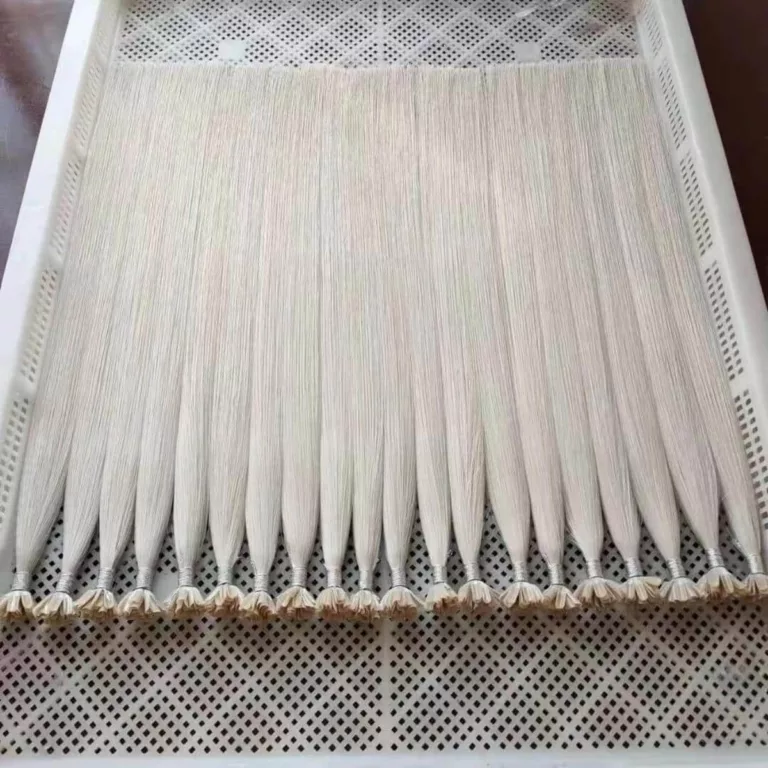
  • Flat tips are single strands with a flat keratin bond or a flat plate anchored by a bead.
  • The flat shape spreads pressure and keeps the profile low.
  • Stylists attach them strand by strand for precise density and blending.

Flat tips sit within the keratin-bond family. The “flat” geometry matters. It creates a wider contact area than a round or V-shaped bond. This helps the bond seat close to the head and hide under layers. From a production view, I control three things:

1) Hair quality. I supply full cuticle, aligned hair for smoothness and reuse potential.
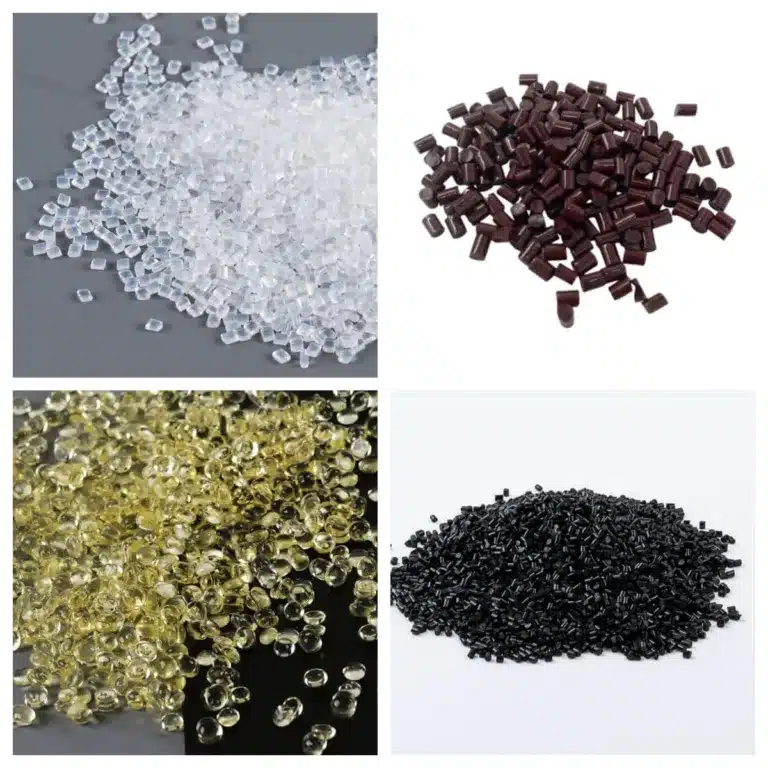
2) Bond quality. The keratin slab must be even in thickness and well-cured with no bubbles.
3) Strand weight. We offer 0.5 g, 0.7 g, and 1.0 g to match fine, medium, and thick hair needs.

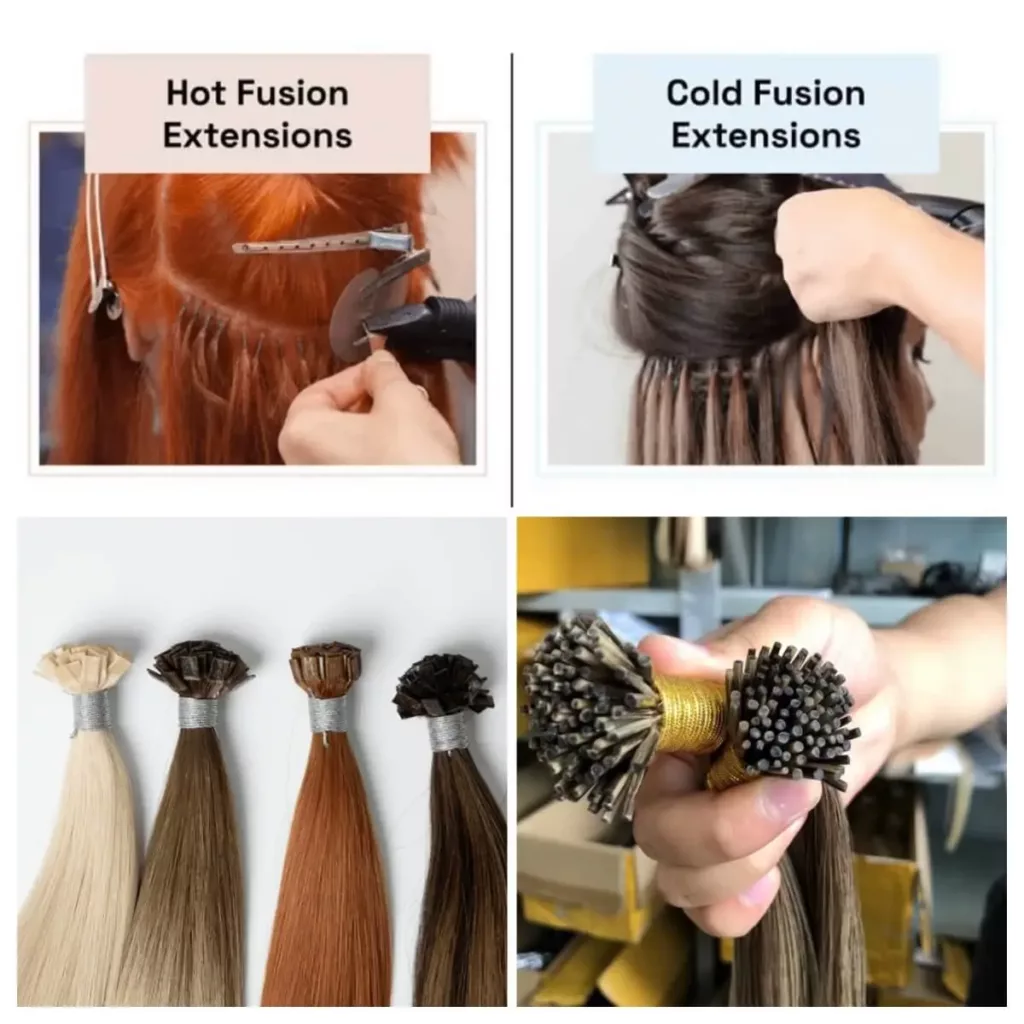
In salons, you will see two attachment routes:

flat tip hair extensions pros and cons1

  • Heat/ultrasonic fusion, where a tool softens the keratin and forms a thin plate.
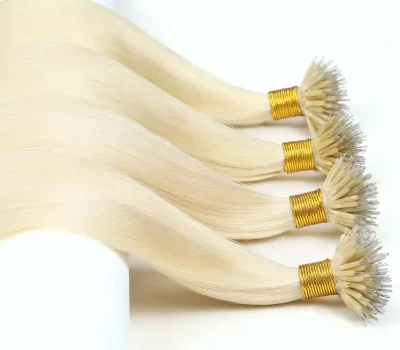
  • Flat tip bead hair extensions, where a small bead anchors the flat plate without direct heat.

Either route can be discreet when sectioning and sizing are correct.

Flat Tip Hair Extensions Pros And Cons

Here is a balanced view you can use in client consultations or purchase planning.

Pros

  • Low, flat profile that lies close to the scalp.
  • Strand-by-strand control for custom density, highlights, and fills.
  • Good airflow between bonds; comfortable for many wearers.
  • Clean keratin when produced well; neutral odor; neat look in photos.
  • Flexible placement for perimeter fills, crown density, or full builds.
flat tip hair extensions pros and cons2

Cons

  • Install and removal require trained hands, time, and tools.
  • Maintenance is essential; late visits increase stress on natural hair.
  • Daily detangling and bond-safe washing are non-negotiable.
  • High heat or heavy oils near bonds shorten wear time.
  • Not ideal for clients who want zero upkeep.
AreaProsCons
AppearanceFlat bonds can look discreet and less bulky.Poor placement can still make bonds visible.
ComfortThe flat bond can feel smooth against the head.Wrong sectioning may cause pulling or discomfort.
MovementStrand-by-strand placement allows natural movement.Installation takes more time than tape in extensions.
Density ControlStylists can control volume section by section.Too much weight on fine hair can create tension.
MaintenanceGood-quality hair can be reused after proper care.Bonds need scheduled maintenance and careful removal.
Salon ValueSuitable for premium keratin extension services.Requires trained stylists and clear client aftercare.

From the factory side, three inputs decide the outcome:

  • Full cuticle hair reduces friction and tangling.
  • Even keratin flow stabilizes the bond.
  • Clear aftercare keeps the set clean at home.

When these three align, satisfaction is high and reuse is realistic.

Flat Tip vs I Tip vs U Tip: Which One Should Salons Choose?

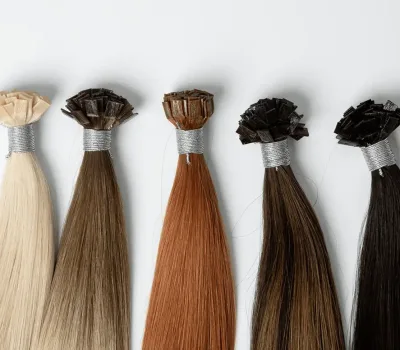
Flat tip, I tip, and U tip extensions are all strand-by-strand methods, but they do not solve the same salon need. Flat tip extensions use a flatter keratin bond. I tip extensions are usually installed with beads or micro rings. U tip extensions use a rounded keratin bond that is melted with heat.

For salons, the best choice depends on the client’s natural hair density, comfort needs, styling habits, and maintenance discipline.

Extension TypeInstallation MethodBond / Tip ShapeBest ForSalon Buying Note
Flat TipHeat fusionFlat keratin bondFine to medium hair clients who want a discreet bondGood for salons that want a flatter keratin option.
I TipMicro bead or ringStick-shaped tipClients who prefer no-heat installationGood for salons that offer bead-based move-up services.
U TipHeat fusionU-shaped keratin bondMedium to thick hair clients who want strong holdA classic keratin method for long-term wear.

Are Flat Tip Extensions Good for Thin Hair?

Flat tip extensions can work for fine to medium hair when the stylist uses correct sectioning, smaller bonds, and lighter strand weight. The flat bond can feel less bulky than a rounder U tip bond, so it may be easier to hide in some fine-hair installations.

But flat tips are not the best choice for every thin-hair client. If the client has very weak roots, active shedding, breakage, or very low density around the crown and hairline, the stylist should be cautious. In these cases, lighter tape in extensions, mini tape, or carefully placed lightweight wefts may be a safer option.

For professional buyers, this is why strand weight matters. A flat tip extension made with too much hair on one bond can add unnecessary tension. A well-made flat tip should have clean keratin, balanced strand weight, and smooth hair alignment.

Client Hair ConditionIs Flat Tip Suitable?Professional Note
Fine but healthy hairYes, with lighter strandsUse smaller sections and avoid too much weight.
Medium-density hairYesUsually a good fit for natural movement and comfort.
Thick hairYes, but may need more strandsU tip or weft may also be considered for strong volume.
Very fragile hairUse cautionAvoid heavy bonds and check shedding risk first.
Oily scalpUse cautionOil near the bond can reduce hold.
flat tip hair extensions pros and cons3

Do Flat Tip Extensions Damage Natural Hair?

Flat tip extensions should not damage natural hair when they are installed, maintained, and removed correctly. Most damage comes from poor sectioning, too much weight on one section, bonds placed too close to the scalp, aggressive brushing, wrong removal tools, or oil-heavy products near the bond.

The stylist should always match the bond size and strand weight to the client’s natural hair. The client also needs to follow bond-safe aftercare. This means avoiding oily products near the keratin area, brushing gently, drying the bonds properly, and returning for maintenance on time.

For salons, flat tips should be treated as a professional service, not a quick add-on. The product quality matters, but the installation method and aftercare education matter just as much.

Flat tip hair extensions application

Below is a simple, salon-facing roadmap you can share or use to vet a new provider. I do not install hair; these are practical suggestions from a manufacturer’s angle.

Core idea

  • Clean sectioning, matched strand weight, and controlled heat or bead pressure create tidy, flat bonds.

Step-by-step you can discuss with a stylist
1) Consultation

  • Review lifestyle, heat styling, sport, and maintenance habits.
  • Pick strand weight (0.5–1.0 g) based on hair caliber and goals.

2) Prep

  • Shampoo without conditioners near roots; dry fully.
  • Keep scalp product-free for bond grip.

3) Sectioning

  • Work in horizontal panels with clean partings.
  • Size the natural hair pick-up to match strand weight.

4) Bonding

  • Fusion: soften keratin with the correct tip temperature; compress to form a slim, even plate.
  • Bead: seat the flat plate with a small bead; avoid crushing the hair.

5) Placement

  • Keep bonds a few millimeters off the scalp for pivot and comfort.
  • Stagger positions to avoid stacking and pressure points.

6) Finish

  • Blend lengths with light point cuts; confirm movement and comfort.
  • Review home care and book the maintenance date.

Quality checks you can request

  • Even bond thickness, no sharp edges, no residue on scalp.
  • Smooth comb-through at mid-lengths and ends.
  • Balanced density without heavy spots.

Are flat tip extensions damaging?

The short answer is no—when sizing, placement, maintenance, and removal are correct. Risk increases when any of those four steps slip.

Risk reducers

  • Match strand weight to natural hair caliber.
  • Book checks every 6–8 weeks; earlier for very fine hair.
  • Detangle daily; hold bonds with your hand when brushing.
  • Keep heavy oils and thick masks away from bond zones.
  • Dry the bond area after workouts or swimming.

Red flags to avoid

  • Bonds placed too close to the scalp; limited pivot causes pull.
  • Overloaded sections (too much extension hair on too little natural hair).
  • Late maintenance visits; grown-out bonds act like levers.
  • Aggressive removal; picking or snapping instead of proper solvent and compression.

If a client needs a lower-commitment route, consider fewer strands, lighter weights, or a different system altogether. The safest result always follows a conservative plan.

How long do flat tip extensions last?

Think in two timelines: the bond cycle and the hair fiber life.

Bond cycle

  • Typical wear per install is 8–12 weeks.
  • Move-up or removal happens as growth pushes the bond down.
  • Active lifestyles (gym, swim) often need earlier checks.
flat tip hair extensions pros and cons4

Hair fiber life

  • With full cuticle quality and careful care, the hair can last 6–12 months or more across re-tips.
  • Heat discipline and gentle products extend that life.

Care that pays off

  • Sulfate-free shampoo; avoid bond zones with heavy conditioners.
  • Heat protectant before hot tools; moderate temperatures.
  • Silk or satin pillowcase; sleep in a loose braid or ponytail.
  • Rinse after swimming; dry bonds before bed.

Plan a short mid-cycle check to catch early tangles or bond wear. Small fixes prevent big problems.

Flat tip vs U tip hair extensions

Both are keratin systems and both can look natural. The difference sits in bond geometry and handling preference.

Flat tip (pressed plate)

  • Very low profile; spreads pressure over a wider surface.
  • Layers cleanly in dense zones; photographs well.
  • Pairs well with bead anchoring when heat avoidance is preferred.

U tip (pre-curved “U”)

  • Wraps the section; some stylists like the grip feel.
  • Familiar handling for experienced fusion artists.
  • Slightly different removal feel—often peels in arcs.

How I suggest choosing

  • Client hair caliber: finer bases often benefit from lighter, flatter bonds.
  • Lifestyle and upkeep: pick the system your stylist maintains best on schedule.
  • Team skill set: results follow the tool the stylist knows thoroughly.

In practice, both deliver a seamless finish when the hair, bond, and technique are right.

Flat tip vs U tip hair extensions?

My opinion

From a manufacturer’s standpoint, keratin flat tip hair extensions balance a discreet look with precise control. They suit targeted fills and full transformations. They do require a trained installer, structured maintenance, and disciplined home care. When a program uses full cuticle hair, even bonds, and clear education, flat tip performs reliably and earns repeat clients.

FAQ

How many strands make a full head?

Typical ranges are 100–200 strands. Fine hair or partial fills use fewer; high-volume builds use more.

Can I color flat tip extensions?

It is possible, but it shortens life. I suggest ordering the right shade, including rooted or lowlight mixes, to avoid chemical stress.

Do flat tip bead hair extensions avoid heat?

Yes. The bead anchors the flat plate without direct heat. Sizing and neat crimping still matter.

What products should I avoid near bonds?

Heavy oils, conditioners, and masks at the bond line. Keep treatment on mid-lengths and ends.

Can I work out or swim?

Yes, with care. Rinse after chlorine or salt water and dry the bond area. Tie hair in a low braid during activity.

Are flat tip hair extensions damaging?

Flat tip extensions are not damaging when they are installed with correct sectioning, bond size, and tension. Damage usually comes from poor installation, wrong removal, or weak natural hair.

Are flat tip extensions better than I tip extensions?

Flat tips are better for clients who want a flatter keratin bond. I tips are better for clients who want no-heat installation and easier move-up.

How long do flat tip hair extensions last?

Flat tip extensions usually stay installed for 3–4 months. If the hair is full cuticle quality, the hair itself can be reused after re-tipping.

Can flat tip extensions be used on thin hair?

They can work on fine to medium hair if the stylist uses smaller bonds and careful placement. They are not ideal for extremely fragile or shedding-prone hair.

wechatimg8015 (1)

Conclusion

Flat tips deliver a low-profile finish and tailored placement when quality hair, skilled hands, and steady upkeep align. Choose conservative strand weights and keep appointments on time to protect natural hair and maximize results.

Hibiscus Hair Manufacturer has been dedicated to producing high-quality hair extensions for 25 years and is a recognized leader in the industry. If you are interested in finding a reliable hair extensions supplier and wholesale for your brand, please visit our website for more information:

Factory View: What Makes a High-Quality Flat Tip Extension?

From a factory perspective, a good flat tip extension is not only about the bond shape. The hair quality, cuticle direction, keratin quality, strand weight, color stability, and bond workmanship all affect the final salon result.

For premium salons and hair brands, full cuticle hair is usually the safer choice. It helps the hair stay softer, smoother, and more reusable after washing, styling, and salon maintenance. The bond should also be clean, even, and strong enough to support daily wear without feeling bulky.

Before buying flat tip extensions in bulk, professional buyers should check sample softness, color consistency, bond neatness, shedding control, and how the hair feels after washing. Cheap flat tips may look acceptable before installation, but they often create complaints after several washes or after the first maintenance cycle.

Share:

More Posts

Picture of Kaiser Wang

Kaiser Wang

Hey, I'm the author of this post,
In the past 26 years, we have helped 55 countries and 2000+ Clients like salon owners, hair store owners, and brand founders to expand their hair extension business.
If you have any problems with it, call us for a free, no-obligation quote or discuss your solution.

Contact Today!

Get free quote!